
All-In with Chamath, Jason, Sacks & Friedberg - Senator Ted Cruz | The All-In Inauguration Series
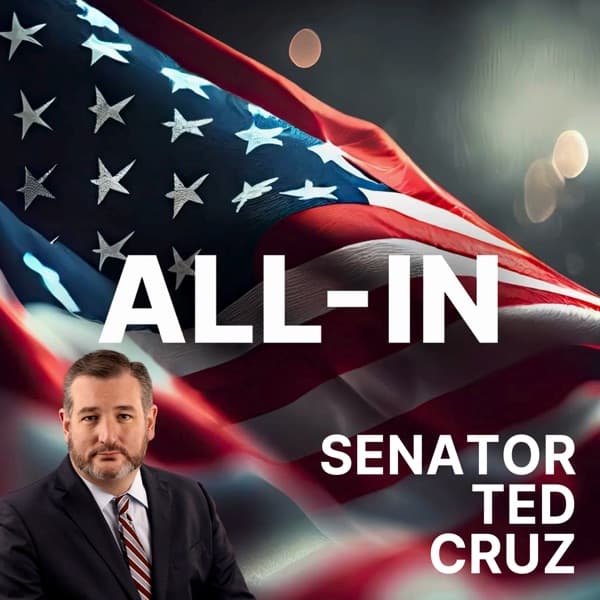
The podcast features a discussion with Senator Ted Cruz about Texas's economic model, emphasizing low taxes and regulations as key factors for growth. Cruz highlights the cultural differences between Texas and states like California, where business is often viewed negatively. He attributes Texas's success to its welcoming environment for businesses and individuals seeking opportunities. The conversation also touches on immigration, with Cruz advocating for legal immigration and border security. He shares personal anecdotes about his father's immigration journey from Cuba, emphasizing the importance of legal pathways. The discussion also covers political polarization, with Cruz advocating for open dialogue and understanding across party lines. He mentions his podcast as a platform for substantive conversations. The podcast concludes with a light-hearted discussion about poker and personal interests.
Key Points:
- Texas's economic growth is driven by low taxes and regulations, attracting businesses and individuals.
- Cruz emphasizes the importance of legal immigration and border security, sharing personal stories.
- Political polarization is a concern; open dialogue and understanding are needed.
- Cruz's podcast aims to foster substantive conversations beyond political divisions.
- Cultural differences impact business perceptions; Texas is seen as business-friendly.
Details:
1. 🎙️ Welcome and Special Guest: Ted Cruz
- Senator Ted Cruz joins the All In Podcast to cover the inauguration of Donald J. Trump as the 47th president, highlighting the significance of the event.
- The hosts express excitement and the importance of having Ted Cruz, a prominent political figure, join them from Texas, indicating the high-profile nature of the discussion.
2. 👢 Texas Pride and Historical Icons
- Lucchese boots are handmade in a factory located in El Paso, Texas, signifying local craftsmanship and Texas pride.
- The boots feature unique designs with the Senate seal on the front, representing official state identity, and the 'come and take it' flag on the back, symbolizing defiance and independence rooted in Texas history.
- The 'come and take it' flag dates back to the Battle of Gonzales in 1835, a pivotal moment in Texas's fight for independence from Mexico, making it an essential symbol for Texans and new residents to understand.
- Highlighting these symbols on the boots provides wearers with a connection to Texas's rich historical narrative and cultural identity.
3. 🇨🇱 Texas Revolution: A Tale of Resilience
3.1. Context and Causes of the Texas Revolution
3.2. Key Battles and Events
3.3. Outcomes and Implications
4. 🏡 Texas vs. Coastal States: Development and Cost of Living
4.1. Development and Home Prices
4.2. Cost of Living and Tax Implications
5. 🚀 Freedom and Business Culture in Texas
5.1. Historical Context and Business Culture in Texas
5.2. Comparison with California
5.3. Impact of Policies on Business Growth
6. 🏢 Business Climate: Texas vs. California
- In California, businesspeople feel like pariahs unless they're in tech or Hollywood, highlighting a cultural stigma against business outside these sectors.
- Texans have a contrasting view, where entrepreneurs are celebrated, indicating a positive business climate.
- The perception in California stems from voter attitudes, showing that the political climate in California may not be business-friendly, unlike Texas.
- In Texas, 70% of residents view entrepreneurs positively, whereas in California, only 45% hold a favorable view, underscoring the cultural divide.
- A survey by the California Chamber of Commerce found that 60% of business owners feel overregulated, which contrasts with Texas, where 75% feel supported by state policies.
7. 🏛️ Political Shifts and Immigration Policies
- In the 1980s, the U.S. faced a significant challenge with three million illegal immigrants, prompting Congress to propose a legislative deal.
- The deal intended to secure the border in exchange for granting amnesty to these immigrants, but only the latter was effectively executed.
- This legislative action resulted in no significant border security enhancements, which had lasting political repercussions.
- California, heavily impacted by this decision, voted Republican for the last time in the 1988 presidential race, illustrating a shift in political alignment influenced by immigration policies.
8. 🌐 Social Services and Taxation in Texas
- Texas effectively provides high-quality infrastructure and social services without the high taxes commonly seen in other states, showcasing a unique model of state management.
- In contrast, California, with a $322 billion budget, faces challenges in state management despite its significant tax revenue.
- Texas's approach raises important questions about its methods for maintaining services and infrastructure efficiently.
- Unlike California, Texas manages to balance its budget and services, suggesting a strategic financial model worth examining.
9. 🌎 Migration Patterns: Texas as a Destination
- Texas experiences a significant influx, with over a thousand people moving to the state daily over a decade.
- The population grew from 26 million to over 31 million in 13 years, a 5 million increase, reflecting robust growth.
- California is the primary source of new residents, highlighting a major West Coast to Texas migration trend.
- New Yorkers prefer moving to Florida, indicating regional migration preferences.
- Texas competes with Florida and Tennessee in attracting residents by focusing on creating better environments for small businesses and jobs.
- The migration trend suggests potential economic growth, but also indicates a need for infrastructure and service expansion to accommodate new residents.
10. 🗽 Immigration Views and Personal Stories
10.1. General Immigration Perspectives
10.2. Personal Immigration Narratives
11. ⚔️ Political Passion and Freedom Advocacy
- The speaker's motivation for engaging in politics stems from a family history of activism, including relatives who were imprisoned and tortured in Cuba, highlighting a personal connection to the fight for freedom.
- The speaker views participation in politics as a means to prevent tyranny by ensuring that good people are in positions of power to fight for freedoms.
- The analogy of the U.S. Senate as the Roman Colosseum suggests a combative and strategic approach to politics, emphasizing the importance of being prepared and active in defending values.
- The speaker expresses a sense of duty and passion, feeling fortunate to have the opportunity to fight for freedom, which is described as an inspiring and motivating force.
12. 🤝 Political Polarization and Need for Dialogue
- Political polarization in Washington D.C. is primarily driven by parties focusing on gaining seats and votes over engaging in policy debates, which results in personal and politicized conflicts.
- Media consumption habits contribute to polarization, with individuals often consuming media that aligns with their existing political views, creating echo chambers and hindering community dialogue.
- Podcasts and long-form discussions provide a platform for more meaningful conversations, allowing for diverse viewpoints to be shared and understood, as opposed to the brief, combative interactions typical of traditional media.
- For instance, Ted Cruz's podcast 'Verdict' attracts about a million unique listeners, surpassing CNN, indicating a public demand for in-depth, issue-focused discussions.
- Live podcast events on college campuses, such as a recent event at Yale with 700 attendees, demonstrate the potential for productive and civil dialogues across political spectrums, highlighting the effectiveness of open conversations in bridging divides.
13. 🗣️ Immigration and Welfare: A Complex Debate
13.1. Immigration Systems and Labor Market Needs
13.2. Welfare State and Economic Mobility
14. 💊 Healthcare System and Government Role
14.1. Introduction to Ideological Perspectives
14.2. Debate Dynamics
14.3. Critique of Socialized Medicine
14.4. Medical Tourism as a Metric
14.5. State-Level Implementation Challenges
14.6. Conclusion on National Implementation
15. 🗽 Executive Orders and Immigration Reforms
- The Trump administration plans to issue around 100 executive orders, creating a significant wave of changes, which could overwhelm opposition efforts to respond effectively.
- This strategy mirrors early tactics used by the Bush administration, aiming to saturate media coverage and public discourse, thereby limiting focused opposition.
- The potential impacts of these orders encompass critical policy areas such as immigration, healthcare, and economic regulation, aligning with the administration's electoral mandate and public expectations.
- By aligning executive orders with key voter concerns, the administration can leverage public support to mitigate political resistance.
16. 📉 Fiscal Policy: Taxes and Spending
- Federal tax revenue increased every year during Trump's first term despite tax cuts, illustrating that economic growth can balance revenue losses.
- The Congressional Budget Office's negative projections for the 2017 tax cuts were disproven, as tax revenue rose contrary to expectations.
- Government spending was not reduced following the tax cuts, yet inflation remained stable, suggesting that economic growth can maintain fiscal stability even without spending cuts.
17. 🚀 Innovation in Government: Challenges and Opportunities
- Discussions around 'waste, fraud, and abuse' often serve as superficial attempts to address government spending inefficiencies, lacking an organized opposition to drive genuine reform.
- Efforts to cut government spending face significant opposition due to vested interests, as there are always constituents who benefit from existing expenditures.
- Politicians are wary of implementing spending cuts that could lead to a loss of voter support, creating a major barrier to adopting innovative government practices.
- An example of this challenge can be seen in attempts to reform entitlement programs, which are often met with resistance from groups that rely on these benefits.
18. 🗳️ Term Limits and Political Principles
- The speaker advocates for a constitutional amendment to limit senators to two terms and House members to three terms, suggesting this could significantly change the political dynamic.
- Career politicians from both parties oppose term limits, indicating a challenge in passing such reforms.
- A bipartisan coalition often supports big spending bills, with nearly all Democrats and half of Republicans in favor, while about 20 members consistently oppose trillion-dollar spending.
- The speaker believes real spending restraint requires strong presidential leadership, which is absent under current leadership like Joe Biden or Kamala Harris.
- The speaker suggests that voter support for candidates advocating spending cuts is necessary but currently lacking as voters tend to prioritize personal gains over fiscal restraint.
- Electing strong leaders is emphasized as crucial for enacting change, with the speaker actively engaging in campaigning for candidates aligned with these principles.
19. 🌍 Greenland: Strategic Interests and Proposals
- Greenland is considered a significant policy proposal due to its strategic Arctic location, crucial for national security, particularly in potential conflicts with China or Russia, as ICBMs would traverse the Arctic.
- The Arctic region's importance is growing with new shipping lanes, making it a competitive area between China and Russia, enhancing the strategic value of Greenland.
- Greenland's abundant critical and rare earth minerals add to its economic and strategic significance, offering potential for economic growth and resource security.
- Proposals have been made to leverage Greenland's strategic position and resources to bolster national security and economic interests.
20. 🏛️ Panama Canal: Negotiation and Strategy
20.1. Introduction and Background
20.2. Historical Context and Strategic Importance
20.3. Legal and Strategic Arguments by Trump
20.4. Negotiation Tactics and Potential Outcomes
21. 🇺🇸 Cabinet Nominee Confirmations: Challenges and Expectations
21.1. Nomination Withdrawals and Confirmations
21.2. Pete Hegseth Nomination
21.3. Bipartisan Support for Nominees
22. 🎲 Poker, Personal Reflections, and Closing Remarks
- Phil Hellmuth frequently praises a guest's poker skills and demeanor, highlighting their reputation in the poker community.
- The host expresses a strong interest in organizing a poker game with the guest, emphasizing the social and leisurely aspects of poker gatherings.
- The conversation reflects the importance of personal connections and shared interests, such as poker, scotch, and cigars, in building relationships.
- The guest is congratulated on a significant win and thanked for their service, indicating a background of notable achievements.