
Lex Fridman Podcast - #456 – Volodymyr Zelenskyy: Ukraine, War, Peace, Putin, Trump, NATO, and Freedom
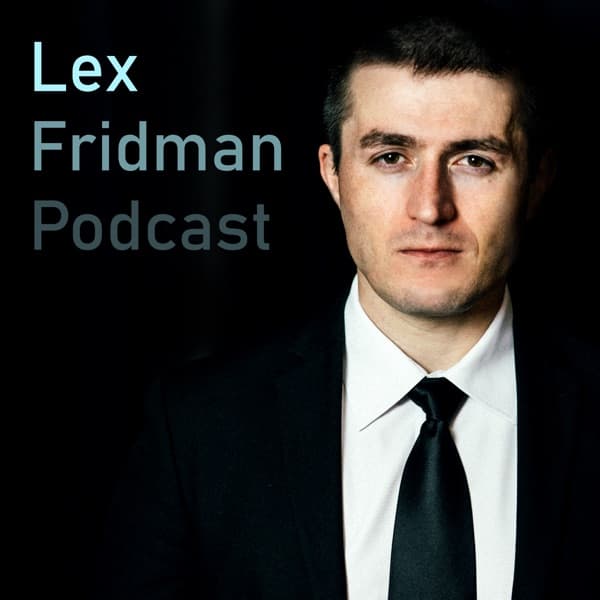
The conversation with President Zelensky was conducted in multiple languages, highlighting the complexity of language in times of war. Zelensky, fluent in Russian, Ukrainian, and some English, discussed the symbolic importance of the Ukrainian language in the fight for independence. The conversation touched on historical events, including Ukraine's independence in 1991, the Orange Revolution, and the ongoing conflict with Russia, emphasizing the challenges of peace negotiations. Zelensky expressed the need for strong security guarantees and the importance of international support, particularly from the United States and NATO, to ensure Ukraine's sovereignty and peace. The discussion also covered the impact of war on democracy and the necessity of balancing freedom with security during conflict. Zelensky highlighted the importance of digitalization and economic reforms for Ukraine's future, emphasizing the need for international investment and partnerships.
Key Points:
- Language choice in the conversation was symbolic, reflecting Ukraine's fight for independence.
- Historical context included Ukraine's independence, the Orange Revolution, and ongoing conflict with Russia.
- Zelensky emphasized the need for strong security guarantees and international support for peace.
- The impact of war on democracy was discussed, highlighting the balance between freedom and security.
- Future of Ukraine includes digitalization, economic reforms, and international partnerships.
Details:
1. Introduction and Language Choice 🌍
1.1. Introduction
1.2. Language Choice and Historical Context
2. Conversation Dynamics and Language Barriers 🗣️
2.1. Language Challenges
2.2. Strategic Language Choice
3. Historical Context and Zelensky's Background 📜
- Captions and voice-over audio tracks are available in English, Ukrainian, and Russian, enhancing accessibility.
- Users can change language audio tracks on YouTube by clicking the settings gear icon, showcasing the platform's flexibility.
- Eleven Labs supports overdubbing through a collaboration of AI and human input, demonstrating innovative language solutions.
- Efforts to break language barriers with AI highlight the importance of language in shaping politics and history.
- Language is more than a sequence of facts; it can shape history and politics, emphasizing its power and influence.
- Great leaders and translators can use language to impact a divided civilization, underlining the strategic importance of communication.
- President Zelensky is portrayed as a remarkable and historic figure, whose influence extends through his strategic use of language.
4. Zelensky's Vision for Peace and Historical Reflection ✌️
4.1. Deep Personal Roots in the Region
4.2. Engagement with Diverse Ukrainian Voices
4.3. Diplomatic Conversations with Leaders
5. War and Leadership Challenges in Ukraine ⚔️
5.1. Introduction and Personal Stance
5.2. Historical Context
5.3. Key Events Leading to the War
5.4. Peace Efforts and Leadership Challenges
6. Zelensky on Peace, Leadership, and the Future of Ukraine 🇺🇦
- Ukraine experienced a significant attack with 73 missiles and over 100 drones in a single day, underscoring the daily challenges of conflict.
- Emphasis is placed on the importance of the Ukrainian language as part of national identity, even though Zelensky understands Russian.
- The conflict is presented as a fight for freedom and peace against aggression, with Ukraine seeking international support.
- Zelensky expresses a sense of betrayal by Russia, highlighting the inconsistency between Russian rhetoric and actions.
- Personal impacts of the war are noted, drawing parallels with his grandfather's WWII experiences.
- He criticizes the global response to the invasion, pointing out the lack of preemptive sanctions or military support.
- In the early invasion days, Zelensky quickly shifted focus from family to presidential duties.
- Maintaining communication and morale among Ukrainians is emphasized as crucial during the conflict.
- The strategic role of digital infrastructure and media presence in countering Russian disinformation is discussed.
- Zelensky stresses the need for military and civilian resilience against aggression.
- Challenges in achieving a ceasefire and negotiating with Russia are acknowledged.
- International leaders, like Trump, are mentioned as potential peace mediators.
- Strong security guarantees for Ukraine, involving NATO and international alliances, are advocated.
- Economic and military aid are identified as essential for Ukraine's defense.
- The vision for Ukraine's future includes economic development, anti-corruption efforts, and European integration.
- Hope is expressed for international investment and cooperation, especially with the USA and Europe.
- A digitalized Ukraine is seen as a means to combat corruption and improve governance.
- The return of displaced Ukrainians is viewed as vital for national recovery and growth.
- Cultural openness and alignment with European values are highlighted as important.